

Learning how to build zero waste habits starts with observing the small things at home. Imagine the kitchen bin at the end of your day, filled with crumpled plastic packets, food scraps, and broken cups. Now imagine reducing that rubbish without skipping your morning coffee/tea or breakfast.
Table of Contents
ToggleLiving a zero-waste life is not about perfection — it’s about progress. Reusable containers, cloth bags, and every small choice add up. From New York to Nairobi, from Sydney to Stockholm, people everywhere are realising that simple daily habits can make a massive global difference.
This post will guide you through real, simple zero-waste habits for beginners, especially at home and in the kitchen, and help you start living a more sustainable life.
What does "zero waste" really mean today?
The term “zero waste” can seem a bit scary. When you think about it, you might picture a place where there is no waste, where there are bins full of collected waste, and where there is not a single piece of plastic in sight. But the truth is that zero waste is not about being perfect, but about being aware.
Take a look back
The idea of living with less or no waste is not new. Our grandparents used to reuse glass bottles, sew clothes instead of throwing them away, and take their own cloth bags to market. What’s different now? It’s the growing problem of waste and the growing movement to reduce it.
In the early 2000s, when environmentalists and families started wondering, “What would happen if we stopped sending waste to landfills?”, the zero-waste movement began to gain momentum.
From small groups to large cities, the idea quickly spread. Today, millions of people around the world are rethinking how we use, buy, and throw away things.
Definition of "5R"
The “5R” are at the heart of this movement. Here are some actions to guide your daily choices:
- Refuse: Take only what you need in your daily life and reject the rest. Reject free or heavily packaged items
- Reduce: what you use most. Buy fewer but better items
- Reuse: Take items that can be reused, such as glassware, cloth bags, and water bottles
- Recycle items that cannot be reused so that they can get a new life.
- Rot the rest: items that can be recycled, such as food.
Each of these steps helps us move from a throw-away mindset to a recycling mindset. Where there is value, there is no waste.
“Zero” is not zero
Here’s the important thing: no one can truly create zero waste – and that’s okay. It’s not about meeting a goal; it’s about making good decisions every day and putting as little waste as possible in the trash.
Even small changes, like using reusable coffee cups or composting vegetable peels. When millions of people come together to do this, it really makes a difference.
Kamikatsu, Japan — A Zero Waste City
One of the most inspiring examples comes from Kamikatsu, a small town in Japan that set a bold goal: to become completely zero waste.
Instead of relying on landfills, residents sort their trash into 45 different categories — from paper and plastic to even toothbrushes. The community now reuses, recycles, or composts nearly 80% of its waste, showing the world what’s possible with teamwork and commitment.
Cities like San Francisco, which aims to send no waste to landfills by 2030, are following suit — proving that this movement isn’t just for individuals, but for entire communities around the globe. For a global definition of zero waste, you can learn more from the Zero Waste International Alliance: https// zwia.org
Why zero-waste habits are important and their impact
Sometimes the question arises, “Will a small change in me make a difference?”After all, what difference does it really make to refuse one plastic bag or reuse one shopping bag?
The truth is that even our small actions can make a big difference. Every small habit we create becomes part of a larger global shift that truly transforms the way we live, consume, and care.
The Power of Collective Change
Just think about how much less plastic would be thrown away each year if one person used reusable bottles. Now imagine a million people doing the same. That means if one person saves about 100 bottles a year, that’s a million bottles a year saved by one million people. Enough to fill an entire stadium!
- When we multiply individual habits by millions of people, the impact is huge.
- Less plastic ends up in oceans and rivers.
- Landfills are reduced.
- The demand for disposable products is reduced.
- And manufacturers are choosing greener and smarter ways to produce.
That’s the beauty of the zero-waste movement: it shows how ordinary people can make extraordinary changes by simply making better everyday choices.
Beyond Waste: What “Zero Waste” Really Saves
Zero waste is not just about reducing waste, but about reusing resources. When we compost, recycle or reuse, we save energy, water and materials that would otherwise be used to make new goods.
For example:
- Recycling one ton of paper saves more than 15 trees and 26,000 litres of water.
- Composting diverts food waste from landfills, reducing harmful methane emissions.
- Reusing glassware or containers reduces the need for plastic containers or packaging. Half of the plastic that ends up in landfills ends up in landfills.
Yes – your small changes in the kitchen, your efforts to buy less plastic, your choice to compost – all of these really matter.
Real-life story: A family that reduced waste by 80%
Take, for example, a family in Toronto. They started small. They started by bringing reusable bags for groceries, composting their food, and refusing plastic packaging. As a result, their weekly waste went from four bags to just one.
This change didn’t happen overnight; they made one habit at a time. Their story inspires thousands of families around the world who know that living with less waste is not only better for us, but it’s also easy, cheap, and very beneficial.
Small things make a big difference
When we say no to plastic cups and use our own containers, we send a quiet but powerful message that we care. And that message inspires neighbours, schools, local stores, and even cities to think about how to handle waste.
Small habits create big waves, and when they come together, those waves create a cleaner, kinder world.
How to Create Zero Waste Habits Step by Step
If you’ve ever tried to go “zero waste” overnight, you’ve probably realised that it’s not that easy. The truth is, living a sustainable life isn’t an overnight change; it’s a slow and continuous journey. And the good news is that you don’t have to do everything at once.
The best way to maintain zero-waste habits is to start small, work your way up, and celebrate each small victory.
Step 1: Start with awareness
First, take a week to observe the waste in your daily life. What comes out most in your daily waste: food packets, coffee cups, plastic bottles, or plastic packets?
Once you understand where your waste comes from, it’s easier to figure out where to start.
You can do a small “waste audit” that will empower you. Remember, you are not judging yourself; you are just learning.
Step 2: Focus on one thing at a time
Instead of changing your entire lifestyle, start with one room or one habit.
For example:
- Start with your kitchen – use steel or glass containers instead of plastic ones, cook only as much food as you need, and compost your waste.
- Pay attention to your shopping habits – bring your own bags to the market, buy in bulk for cheaper products, and refill containers from local stores.
- Look at your bathroom – replace disposable razors or plastic toothbrushes with eco-friendly ones.
When one habit starts to feel easy, move on to other habits.
Step 3: Make it easy and memorable for you to do it
Keep your reusable bags by your door. Keep a compost bin nearby, and keep containers for dry goods ready. When you make choices that are good for you and the environment, convenient and visible, those choices become habits. Remember, habits form quickly when tools are right in front of you.
Step 4: Change a habit gradually, not suddenly
You don’t have to throw away all the plastic or trash in your home today; doing so will defeat your purpose immediately!
So use what you have first and replace it with a better alternative when it goes bad.
For example:
- When your daily dish soap runs out, try using a refill station instead.
- Also, when your plastic containers break, try replacing them with glass or steel containers.
- When you run out of paper towels, replace them with washable cloth ones.
Living a zero-waste life is a marathon, not a sprint, and remember that gradual changes last longer.
Step 5: Join the global conversation.
Remember that you are not alone in this journey. Millions of people around the world are finding and sharing better ways to reduce waste. From urban composting in Paris to café refills in Singapore.
Check out the Global Zero Waste group, read their stories, see their experiences, and share your own progress online. You’ll be surprised how inspiring it is to be part of something bigger than yourself.
Step 6: Celebrate your small progress.
Every change you make is worth it. When you see less trash in your bin or you divert a single-use plastic item for a week, celebrate the change.
The real goal is not to be perfect, but to do it consistently. And over time, these small, easy steps will lead to a happier life.
Creating zero-waste habits is not a set of rules; it is a rhythm that takes place slowly.
One small change, one new habit, one recycled container, that’s how we build a sustainable future, step by step.
Some Zero Waste Habits for Home and Kitchen
Often, the heart of our zero-waste lifestyle is where we spend the most time, our home, especially our kitchen. It is where we cook, clean, eat and create new memories. But it is also where a lot of waste is generated, such as plastic packets, food scraps and single-use plastics.
But this is the best place to start with the biggest impact. We can transform our kitchens into inspiring spaces of sustainability by making some small but thoughtful changes.
Some smart kitchen changes
1. Choose reusable items instead of disposable items:-
Use silicone lids instead of aluminium or plastic lids. Use glass containers to store large quantities of grains. Keep reusable bags in your car or bag for shopping or bringing groceries, so that you never have to use plastic.
2. Buy in bulk when you can :-
Buying in bulk is not just about eco-friendly shopping; it’s something that many people around the world are doing. Many stores now allow you to bring your own containers to fill with rice, grains, spices or coffee. And it’s cheaper to do so, and you’re reducing plastic waste in packaging.
3. Compost leftovers :-
The leftover or spoiled food that we throw away can actually be good food for the earth. You can make room for compost even in small spaces, such as by placing a compost bin in your kitchen or balcony. This is one of the easiest and most powerful zero-waste habits if you start today.
4. Cook mindfully and waste less :-
Plan meals first and shop later, use leftovers wisely, and freeze extra food. In cities from London to Los Angeles, people are rediscovering old traditions, such as making soup from vegetable peels, using ingredients like lemon or ginger for cleaning, and repurposing old-fashioned items.
Clean naturally and use a Refillable product
You don’t need to use harsh chemicals or plastic packaging for cleaning; you can also clean using the following:
- You can clean with cleaning liquids or DIY recipes that are coming to India again.
- Using an old T-shirt or a washable cloth.
- Use a wooden dish brush or coconut fibre scrubber instead of plastic.
These small solutions are very light on your home and the earth, and easy for you to do.
In Meals: Be Sustainable
Eating together applies to everyone, and home is a great place to start a zero-waste habit. Here are some ways to do it:
- Use cloth napkins instead of paper napkins.
- When you go out for a walk or picnic, bring reusable straws and knives, forks, and spoons.
- Use steel bottles for drinking water, not plastic ones.
- Store leftovers in containers, not plastic bags.
And when guests come to your home, welcome them with a beautiful, waste-free meal and show them how easy it can be. This is worth sharing.
Many inspirations from around the world
Did you know? Around the world, people are inventing new ways to think about what a “sustainable kitchen” looks like.
- In Germany, most supermarkets offer package-free refills.
- In India, there is a growing emphasis on unpackaged items from the past.
- In Australia, some families are joining local compost sharing apps to reduce waste together.
All these examples prove that zero waste is not just about following a trend, but about returning to old, natural, smart and connected habits.
Zero Waste Habits to Reduce Plastic Usage
Tell me the truth, is plastic everywhere or not? From the food we buy to the items we use every day, it’s almost impossible to avoid it. But there’s good news; we don’t have to cut down on all plastic overnight. We just have to start reducing it by making one small choice at a time.
Plastic may seem like a global crisis, and it is, but the solution starts with everyday habits we can all adopt.
Step 1: Say no to single-use plastics
The easiest and best way to start is to say no to things you don’t need. Next time you go out for coffee or a drink, bring a reusable cup. Also, bring your own bag whenever you go out to get groceries.
Remember this: “Whenever you have to use something once, you probably have to say no.”
Start small – say no to plastic straws, utensils, water bottles, and plastic containers for packaged food. Over time, these small no-goes will save each person hundreds of disposable items per year.
Step 2: Rethink how you shop
One of the biggest ways to reduce plastic waste is to think before you buy. Here’s how:
- Whenever possible, choose items packaged in glass, metal or paper.
- From Berlin to Melbourne, large-scale stores and refill stations are now popping up, so find them
- Buy in bulk to reduce plastic. So that the number of plastic purchases is reduced.
- Support brands that prioritise sustainability, such as companies that offer refill systems or compostable packaging.
Buying less is also a step in combating unnecessary waste.
Step 3: Replace plastic with reusable items every day
We can replace the single-use plastic items we use with simple, eco-friendly items:
- Instead of plastic bottles, we can use stainless steel or glass bottles.
- Instead of plastic food wraps, we can use wax wrappers or silicone lids.
- Use a bamboo toothbrush instead of a plastic toothbrush.
- Use a safety razor instead of a disposable razor.
- Instead of bringing shampoo bottles, bring solid shampoo or refill bars.
Look, you don’t have to replace everything at once, so replace the item when you run out. Making one change at a time can make a difference in your life.
Plastic-Free Movement
People and cities around the world are proving that reducing plastic is possible:
- Rwanda became the first country to ban plastic bags entirely.
- All members of the European Union have banned single-use plastics in their countries.
- The Plastic-Free July campaign, which started in Australia, now inspires more than 100 million people in 190 countries to make a difference every year. Learn more about the Plastic-Free July global challenge here:
Each of these movements started with small steps – and grew as millions of people realised their habits mattered.
Step 4: Try to use consciously
Before buying something new, stop and ask yourself:
“Do I really need this, or can I reuse something I already have?”
When you ask yourself this question, you can buy without thinking about the consequences and help reduce plastic waste. After a while, you will notice a change, which is less clutter and more peace of mind from using consciously.
Reducing plastic is not a crime; it is a sense of gratitude towards ourselves. Gratitude for a clean ocean, a healthy life, and a planet that gives us so much.
When we choose reusable over disposable, we are not only thanking the Earth, but also the future generations who will inherit it.
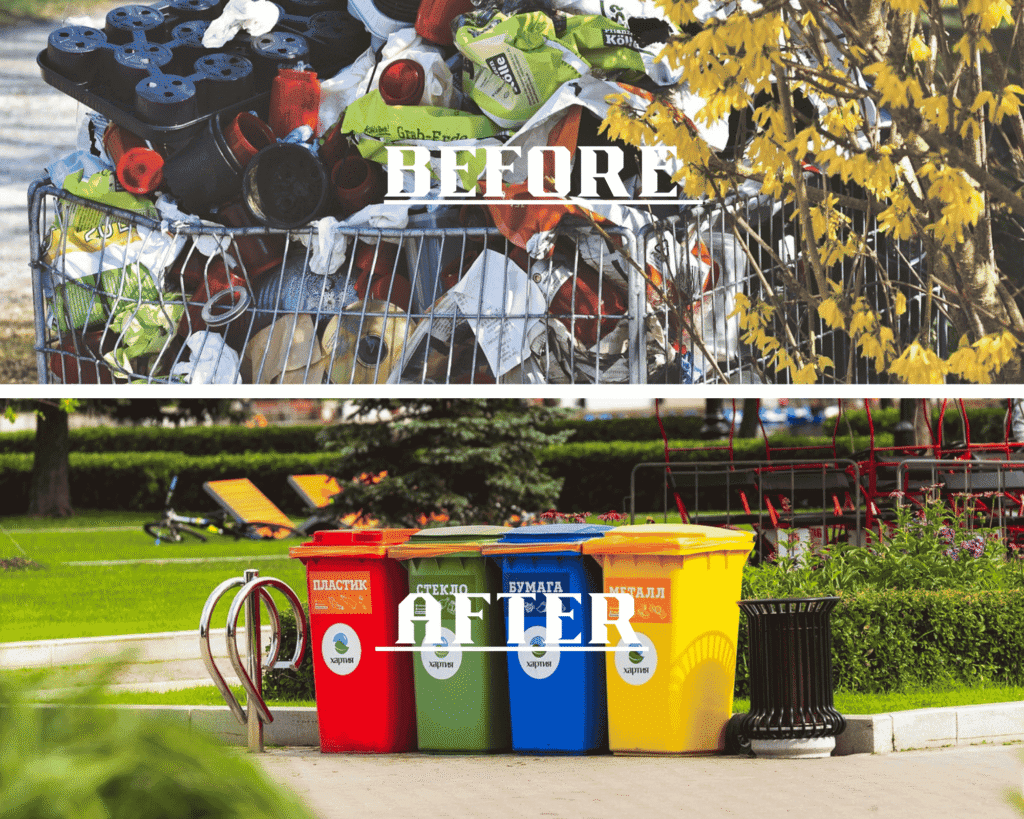
Common Challenges and How to Stay Motivated
Starting a zero-waste lifestyle is exciting, but let’s be honest, it can sometimes feel overwhelming.
Some of us have had experiences where we make mistakes, accidentally leave our bag at home, or buy something wrapped in too much plastic, and that’s okay.
Zero waste isn’t about being perfect – it’s about making gradual progress and choosing good habits when possible. Remember, we’re all learning together.
Challenge 1: “It feels like too much to change at once.”
It’s a universal truth that everyone’s life is busy. From New York to Nairobi, we’re all caught up in work, family, and responsibilities. Trying to reduce our waste to zero overnight can seem impossible.
How to stay motivated:
Start with a small habit, like carrying your own water bottle or putting leftover food in your bin. As you achieve small victories, you’ll build momentum.
Before you know it, your daily routine will naturally shift to a low-waste lifestyle. Remember that zero waste is a slow and steady journey, not a race.
Challenge 2: “Green things are expensive.”
Many people around the world are expressing this concern, especially when green things are expensive.
How to stay motivated:
Living a zero-waste lifestyle doesn’t necessarily mean buying things. We can start with simple things. Use what you have. Repair clothes. Share tools with friends. These habits save money and reduce your waste.
In some parts of the world, sustainable lifestyles are based on repairing, reusing, and preserving things, especially in Asia, Africa, and rural Europe.
Challenge 3: “My city doesn’t have zero-waste stores or composting.”
Today, many countries and cities lack zero-waste stores, refill stations, and advanced recycling systems, and that’s okay.
How to stay motivated:
The solution is to focus on the things you can control, such as:
- Stop using plastic bags.
- Buy products with less plastic packaging.
- Buy products that last longer.
- Prioritise local farmers’ markets wherever they are.
- Use containers wisely.
Zero waste is flexible and can adapt to any lifestyle, culture, or environment.
Challenge 4: “My family or friends don’t understand.”
This is more common than you think. Sometimes people laugh, tease, or don’t understand.
Do it with love, without pressure from anyone. You are not alone in what you are doing. Many people in the world are doing this. Share the changes you are making with others so they can understand too. People will be inspired by how easy and enjoyable these habits can be.
Challenge 5: “I’m afraid of not being perfect.”
Perfection is the biggest myth in sustainability. Even the most committed zero-waste families sometimes create waste, and that’s normal. So enjoy the effort you’re making, don’t wait for the results, they’ll come gradually.
Every cup of tea refilled, every plastic avoided, every item reused, it all matters. Zero waste isn’t about getting everything right; it’s about doing the best you can with what you have.
The Impact of Small Ripples and Some Inspiring Global Movements
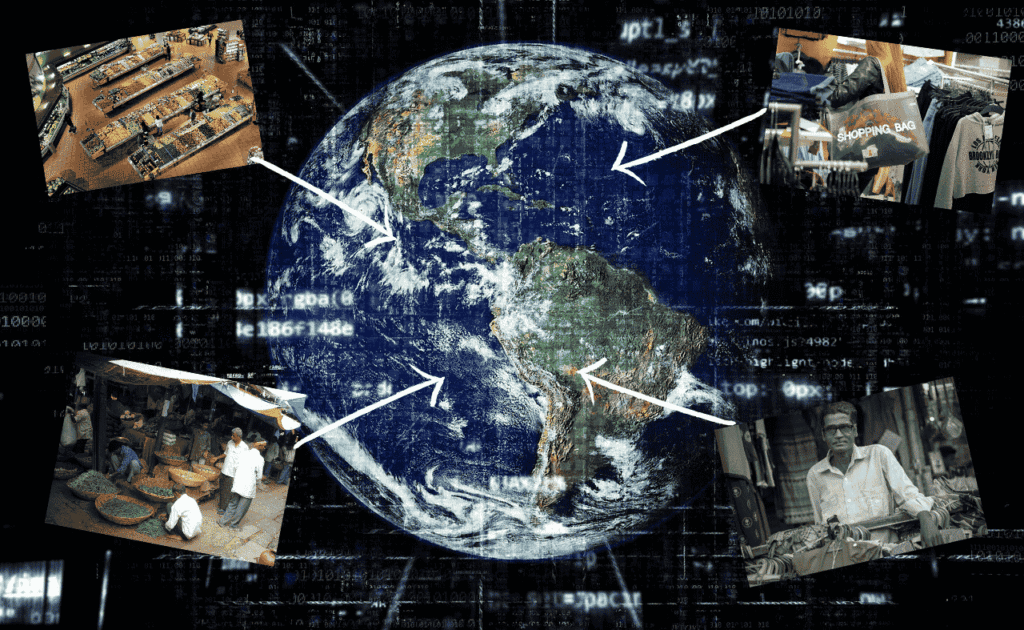
One of the most beautiful things about the journey to zero waste is this: You are not alone. Today, millions of people, communities, and entire cities around the world are taking inspiring steps to reduce waste.
Every small habit, whether it’s refusing a plastic bag or not throwing away food, creates ripple effects, and when millions of us come together, those ripples create a big wave.
Here are some global movements that prove how powerful small actions can be:
1 . India: Refill-on-the-Go Startups
In some major cities like Bengaluru, Mumbai, and Delhi, innovative “refill vans” and mobile stations are helping families buy essentials without packaging.
Customers bring their own containers and refill oil, detergents, pulses, rice, and spices – saving money and reducing tons of single-use plastic every year.
These startups are showing that sustainability doesn’t have to be fancy – it just has to be accessible.
2 . Europe: Package-free supermarkets
In Germany, France, the Netherlands and the UK, package-free shops and large supermarkets are becoming a popular practice.
From pasta to shampoo, people simply weigh, fill and reuse. These shops have sparked a cultural shift, making low-waste shopping seem normal, modern and convenient.
Europe is reminding the world that when systems change, habits change.
3 . United States: Campus Composting and Zero Waste Programs
Students are now leading powerful composting initiatives at many universities across the US, from California to New England.
Campus cafes are switching to reusable containers, dormitories are adopting recycling programs, and student groups are teaching their peers how to reduce waste.
Young people are proving that you don’t have to wait for “a special day.” You can start making a difference right where you live, study, and eat.
You too can create a small wave
These global examples are not meant to pressure you, but to inspire you. You don’t need something big like a startup, a supermarket, or a university program. All you need is a simple idea that you can implement in your everyday life.
Below are some small, local initiatives that anyone can start:
- Create a neighbourhood swap box for books or jars
- Start a composting circle in your housing community
- Talk to your school or workplace about refill stations
- Organise a local cleanup day
- Share your zero-waste habits online to inspire others
Every action, no matter how small, is empowering. Your habits can spark curiosity in others. Your curiosity can inspire a friend. And together, we can create a wave of change that goes beyond our homes.
Your Small Steps and Our Shared Planet
Change doesn’t start in government halls or big corporate boardrooms; it starts in the quiet corners of our daily lives, like our kitchens, our backpacks, our shopping routines, and the choices we make without thinking.
Every time we refuse a plastic bag, reuse a jar, compost our scraps, or refill a bottle… We’re not just reducing waste, we’re shaping the future.
Remember this:
- Adopting just 3-5 zero-waste habits can prevent thousands of pieces of plastic from leaving our oceans every year.
- And when millions of people make these same small choices, the impact is extraordinary.
- So pick one habit today, just one.
Bring a reusable cup. Start composting your vegetable scraps. Swap plastic wrap for a simple jar. These small moments make a real difference. Then, share your progress – photos, stories, simple updates – with the hashtag #MyZeroWasteHabit.
- Your small action can inspire someone else to start their own journey.
- And that person can inspire someone else.
- That’s how movements grow.
- That’s how ripples become waves.
- Because the truth is simple and powerful:
The future is shaped by our daily choices – let’s make them matter. 🌍✨

Kashish Ghadi
Kashish is the founder of GoWasteFree, a blog helping everyday people reduce waste without the overwhelm. After seeing news footage of plastic-filled rivers, she started making small swaps — one habit at a time. Today she shares practical, beginner-friendly guides on zero-waste living, sustainable swaps, and eco-friendly home habits. She believes progress always beats perfection.
Start Your Zero-Waste Journey Today
Join readers getting simple, practical tips every week.
Sign up free and get the Starter Checklist instantly.