
Zero Waste Starter Kit Ideas for Beginners — Simple to Start Today
- December 3, 2025
- sskrghadi@gmail.com
- 7:49 pm
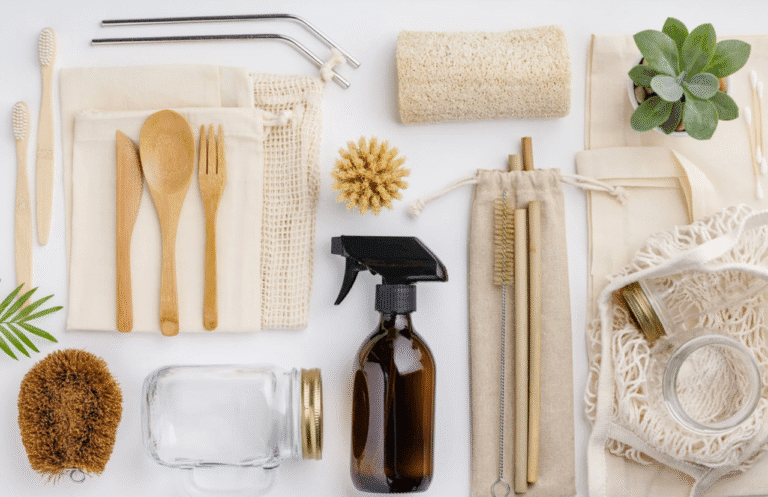
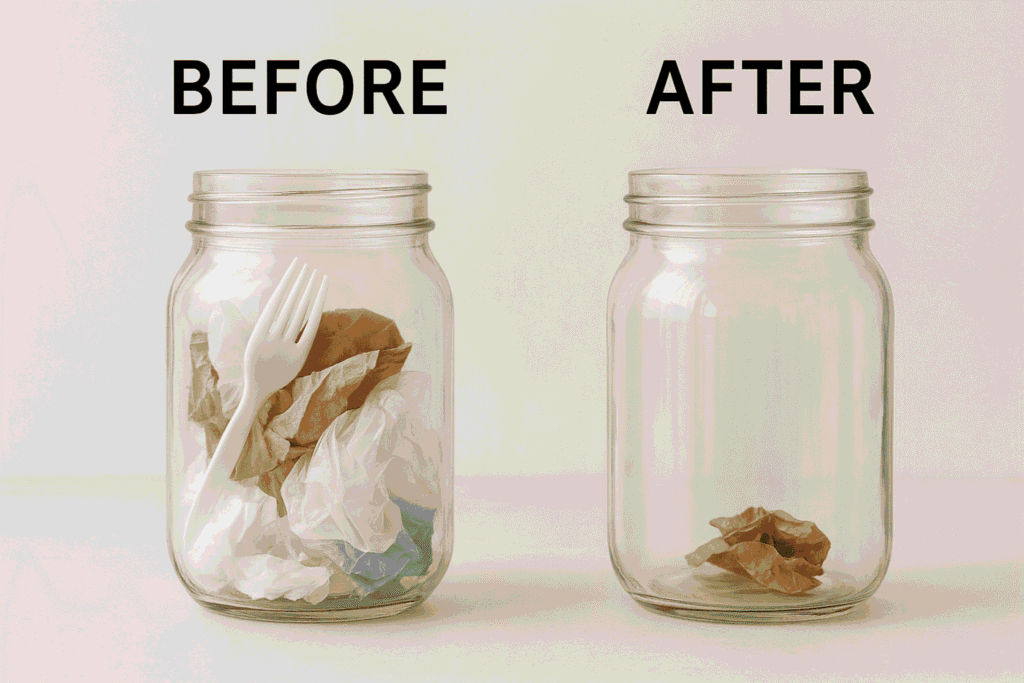
Zero-waste starter kit ideas for beginners don’t have to be expensive, complicated, or overwhelming. For instance, imagine a small bowl on your kitchen counter, filled with everyday plastic waste, that plastic slowly reduces as you replace it one item at a time. In fact, that bowl reminds you that small, consistent choices add up. Regardless of whether you live in a London flat, a Toronto suburb, a Sydney apartment, or a small town in Spain, this post shows new learners how to create a practical, affordable zero-waste starter kit that suits your life. Additionally, it gives you simple steps, real-world examples, and easy changes so you can start today — no guilt, just progress.
Table of Contents
Toggle
Why Zero Waste Matters
However, the world’s environmental problems sometimes seem so big, like melting icebergs, overflowing trash, and plastic floating in the ocean. But real change often starts with something small we don’t think about. A reusable bottle, a cloth bag, and a habit we decide to change. Ultimately, zero waste isn’t about being perfect; it’s about paying attention to the choices in front of us and making small changes every day.
“Let me tell you, the first big change in my life was when I bought a simple metal water bottle. At first, I didn’t think it was that big of a deal . . . until I realised that it would save me about 20 plastic bottles a month.”
Leena, a first-time zero waste learner
However, Leena didn’t change her entire life overnight. She changed one small thing, which made her feel good about herself, and that small victory gave her the confidence to make another change. Similarly, most of us start that way. Not by improving our lifestyle, but by making a small decision that subtly changes the way we approach our daily habits.
What a Starter Kit Can Change
In fact, your starter kit may seem simple, but it can help you reduce the amount of waste you think you’re creating. For example, one reusable item can replace hundreds of single-use items each year. This effect adds up faster than you think.
Specifically, here’s what a zero-waste starter kit can change in your daily life:
- Reusable bottle: Avoids dozens of plastic bottles each month.
- Cloth or mesh produce bags: Replaces hundreds of flimsy grocery bags.
- Metal or bamboo cutlery: Reduces disposable plastic forks and spoons.
- Lunch box or jar: Eliminates single-use, disposable containers.
- Wax wrap or reusable lid: Replaces plastic wrap in the kitchen.
Importantly, you don’t need to:
swap everything out at once,
buy a fancy kit,
be perfect.”
Meanwhile, we are making progress; there is no pressure. Every small choice is a quiet wave that goes much further than you think, and it starts right where you are, with what you can start today.
Find your why and set realistic goals
Before you buy anything or make any changes, however, ask yourself why you want to start your zero-waste journey. Your “why” is what keeps you going when you forget your bag or fall back into old habits. It doesn’t have to be deep or dramatic—it just has to be important to you.
Perhaps you want to save money, or you want a cleaner home. Alternatively, you may want to show your kids what conscious choices look like. Whatever your why, naming it makes the journey feel lighter and more meaningful.
“Once I told myself, ‘I’m doing this so my kids will grow up with less waste,’ everything clicked. I didn’t feel guilty about the mistakes I made—I just kept trying.”
Setting realistic goals also helps, but keep them simple and measurable. You’re not trying to change your entire lifestyle in a week—just aim for the progress you see.
A Quick Goal-Building Mini Worksheet
Choose one goal from each of the sections below to guide your first month:
1. Pick your personal “why”:
- I want to save money.
- I want to reduce plastic for my health.
- I want to protect the environment.
- I want to be a positive example for my children/family.
- I want a simpler, less cluttered lifestyle.
2. Set a measurable goal:
- Reduce your single-use plastic by 30-50% in 30 days.
- Replace 3 disposable items with reusable items this month.
- Create a basic starter kit with 5 key items.
- Create a low-waste routine for travel, work, or shopping.
3. Start a simple habit:
- Carry a reusable bottle everywhere.
- Bring a tote or cloth bag when shopping.
- Say no to plastic cutlery.
- Use jars or containers for takeaway.
- Use shampoo bars or bar soap.
Together, your reason + a simple goal + a small habit. We’ll build the rest step by step – together and without pressure.
Some Essential Zero Waste Starter Kit Checklist
Now, let’s get practical. A zero-waste starter kit doesn’t have to be perfect, expensive, or Instagram-ready. It just helps you replace a few everyday throwaway items with reusable items that you’ll actually use. Think of it as your “training wheels” kit. Simple, reliable, and built for real life.
To begin with, start with a few key items. Add more later if you want. The goal here isn’t to buy a whole new lifestyle, but to make small changes that fit into your daily routine.
“I started with just five items. That’s it. They fit in my bag, and living a low-waste life feels easy instead of overwhelming.”
Some kitchen essentials
Consequently, these are the items that will help you reduce most of your daily waste: food packaging.
- Reusable water bottles (steel or BPA-free)
- Reusable produce bags
- Beeswax lids or reusable silicone lids
- In addition, glass containers are great for leftovers, bulk purchases, or snacks
- Stainless steel or spill-resistant lunch boxes
Even if buying containers isn’t in your budget, salvaged pasta sauce or peanut butter jars will work just as well.

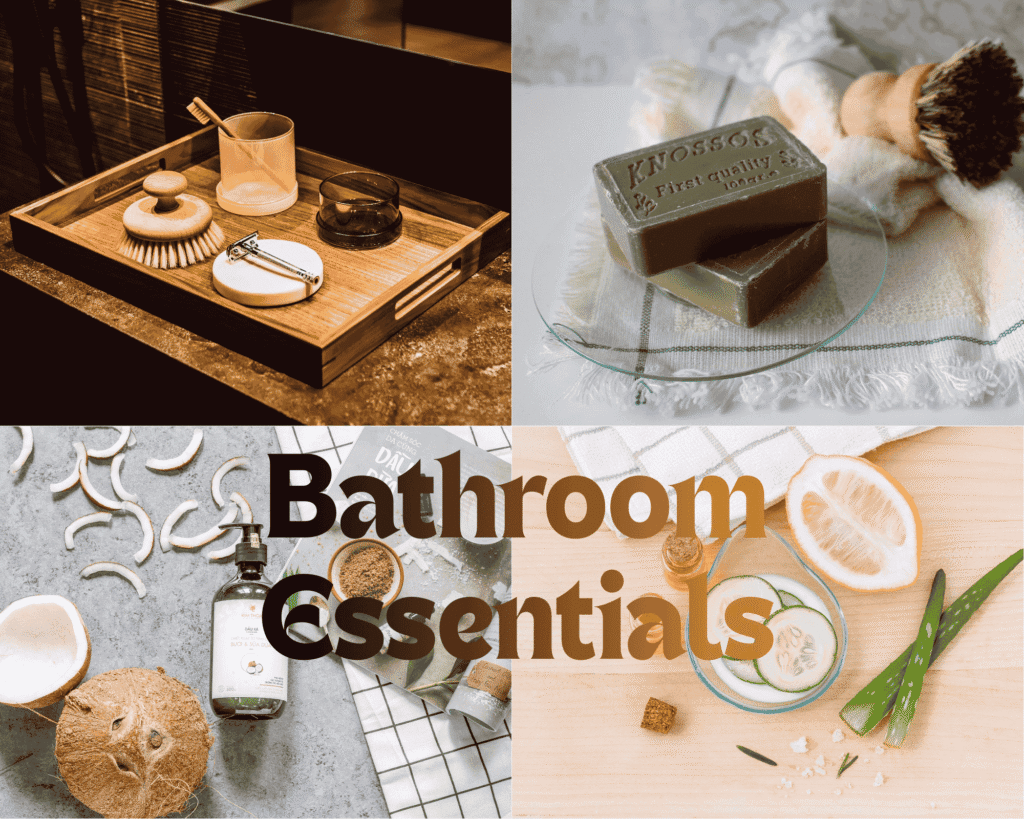
Bathroom essentials
Similarly, your bathroom is another place where plastic waste builds up fast.
- Bamboo toothbrush
- Shampoo bar or bar soap
- Reusable cotton balls
- Safety razor or refillable razor
This beginner-friendly habit starts with one change, such as a shampoo bar, and gives you a week to adjust
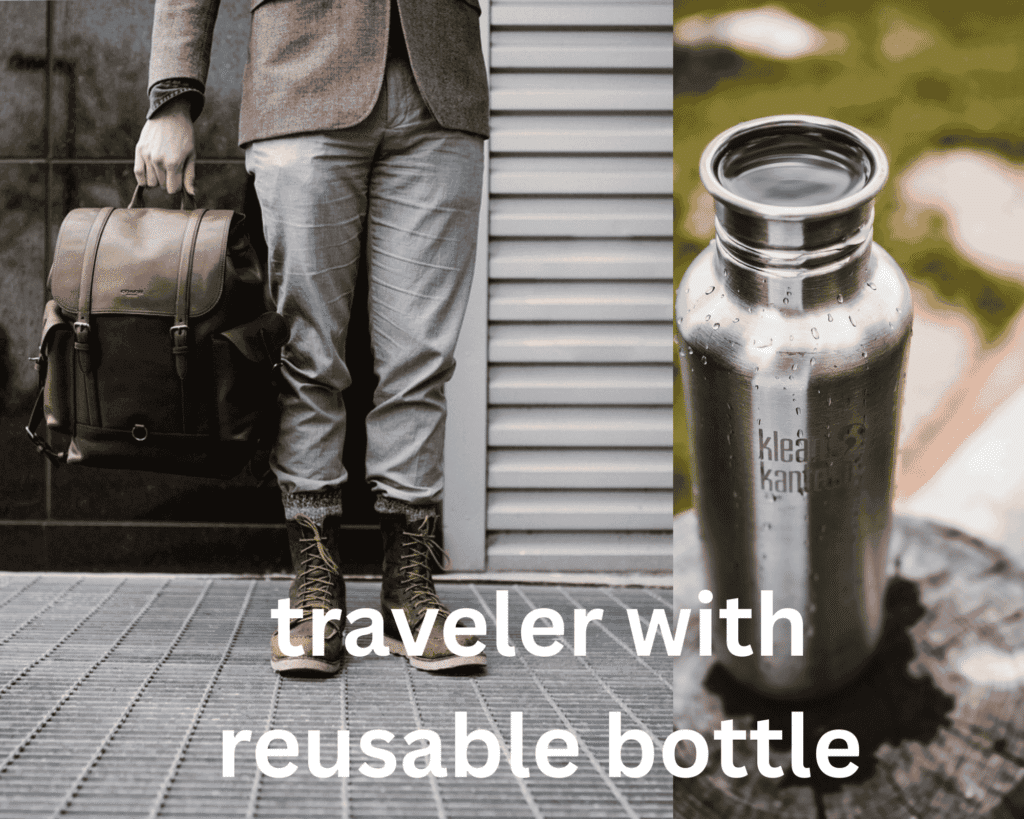
Some essential items to have when you go out
Think of these as your “everyday survival items.” They will save you from unexpected single-use plastics while you’re out and about.
- Reusable tote bag
- Small cutlery kit made of metal or bamboo
- Cloth napkin or plain napkin
- Reusable coffee cup or travel mug
- Compact snack container
Therefore, keep items in your bag on the go when you’re out and about so you don’t forget them.
Household and cleaning basics
These swaps will help you reduce the amount of plastic waste lurking in your home.
- Refillable spray bottle
- Multi-purpose cleaning bar or concentrate
- Reusable cleaning cloth or microfiber cloth
- Compost bin or countertop compost pail
On a budget, you can use old T-shirts to make a great addition, so you don’t have to buy them.
How to build your kit
To begin, keep it simple and quick:
- Choose 3-5 items you use every day.
- Find what you already have, like jars, cloths, and bottles.
- Only buy what fills a void.
- Set up a “grab-and-go” spot at home for your kit.
Your zero-waste starter kit doesn’t have to look like everyone else’s. It just needs to make your life easier and make one practical change at a time to reduce your waste.
Budget and DIY Swaps You Can Do Today
Fortunately, you don’t need a big budget or new eco-products to live a less wasteful life. Many of the best zero-waste swaps are things you can make yourself, recycle, and even find for free. Think new ideas rather than used ones. That’s why most beginners find that going zero waste often saves money rather than costs money.
“When I realised that half of my kit was made from things I already had at home, my stress was relieved. Zero waste suddenly seemed possible, and affordable too.”
Let’s take a look at a list of the easiest, most practical DIY swaps we can try this week.
Easy DIY Swaps That Are Perfect for Beginners
You can make these with simple ingredients or items you already have at home.
- DIY Wax Wrap :
Old cotton cloth + wax balls + oven = reusable wrap in minutes.
- Household All-Purpose Cleaner:
Vinegar + water + citrus peels (optional) in a spray bottle.
- Reusable “No Paper” Towels:
Cut an old T-shirt or towel into squares – no sewing required.
- Natural Scrubber:
A loofah, a compostable sponge, or even a piece of mesh produce bag.
- Jars for Everything:
Reuse glass jars for leftovers, snacks, coffee, bulk food, and storage.
Start with one DIY, but not all at once. Choose one item that solves your biggest daily challenge.
Zero Waste on a Budget
Additionally, if you’re trying to save money, check out these first:
- Thrift stores or charity shops for jars, bottles, and containers
- Freecycle, Buy Nothing groups, and local swap events
- Refill stations (bring your own container and only pay for the product)
- “Shop your shelves” before buying anything new for your own home
- Minimal swaps like eliminating disposables (no purchase required)
A tote bag and a reusable water bottle can significantly reduce your waste and costs.
Examples of simple starter kits for $20 or less
If you’re on a tight budget, you can put together these for very little money:
- Reusable bottle – use a bottle you already have
- Tote bag – any cloth bag works well
- Jar or container for snacks – reusable from home
- Cost of DIY wax wrap – Cost: just a few dollars
- Metal or bamboo cutlery – use from your kitchen drawer
Zero waste isn’t about buying everything new. It’s about using what you have, choosing better when possible, and celebrating the small steps that make your lifestyle lighter and more intentional. One household swap at a time, you’ll see how affordable this journey can be.

Build Your Kit: For Students, Families, Travellers, and Workers
Just as your life is different from everyone else’s, neither should your zero-waste starter kit be. The best kit is the one that fits your daily routine, your bag, your home, and your habits. Here’s how to customise your kit so it’s easy, realistic, and feels completely “you.”
“So I built a kit that actually fits my lifestyle and not someone else’s, and in the end, it all clicked.”
Every lifestyle has its own challenges, so let’s make your kit work with you, not against you.
A starter kit for students that is small, portable, and budget-friendly
Perfect for dorm rooms, backpacks, and tight schedules.
What to include:
- Reusable water bottle
- Foldable tote bag
- Compact cutlery set
- Small snack container
- Reusable coffee cup if you buy drinks frequently
A little habit:
Always keep your bottle, tote, and cutlery in your backpack so you never have to say, “I forgot it at home.”
A family starter kit that’s kid-friendly and practical
You probably know that families generate a lot of waste every day, but small changes can make a big difference.
What to include:
- Large lunch boxes
- Reusable cloth napkins
- Family-sized water bottles
- Wax wrap or silicone covers for leftovers
- Kitchen waste compost bin
A small habit:
Place “grab and go” items like bottles, containers in a dedicated basket by the door for your kids’ daily school run mornings.
A travel starter kit that’s lightweight and TSA-friendly
Great for planes, road trips, trains, and weekend getaways.
What to include:
- Collapsible water bottle
- Travel cutlery
- Reusable coffee cup
- Small cloth napkins
- Silicone zipper bag that is useful for snacks or toiletries
A small habit:
Pack your travel kit the night before you leave because last-minute packing often leads to buying disposables.
Remote Worker / Office Starter Kit That’s Desk-Friendly
Useful for people who split their time between home and office.
What to include:
- Desk mug or cup
- Reusable lunch container
- Cloth napkin
- Jar for snacks or coffee
- A small cutlery set for your bag or drawer
A small habit:
Keep a mini-kit at work so you don’t have to look for another option for reusable items.
How to choose your ideal kit
Use this simple decision guide to build your kit:
- Always on the go? → Keep everything light and compact.
- Budget-minded? → Prioritise DIY and reuse jars, bags, and cutlery.
- Family-oriented? → Choose durable, easy-to-clean items.
- Minimalist? → Start with 3 essentials: a bottle, a tote, a container.
- Work-oriented? → Create a kit for your home and a kit for your desk.
Your life is unique, so your zero-waste starter kit should be too. When your kit fits your routine, consistency feels natural, not forced. And that’s when progress comes easily.
Where to buy them, what to look for and the right things
Once you know what you want, the next step is to choose where to get your zero-waste items. The good news? You don’t need fancy eco-shops or expensive brands. Starter kits can be found at local markets, thrift stores or online stores as long as you choose items that last, fit your lifestyle and don’t create too much waste in the process.
“I used to think I needed expensive eco products. Then I got some of my kits second-hand, and they’re still going strong a year later.”
Let’s take a look at how to shop smart, stay on budget and avoid greenwashing:
Where to buy items for your starter kit
Here are some great places for beginners, no matter where you live:
- Local markets or refill stores
Bring your own containers and buy only what you need.
- Thrift stores, charity shops, vintage markets
Great for jars, tins, bottles, cutlery and bags.
- Online marketplaces
Look for durable items with long warranties or refill systems.
- Second-hand groups
Free or gently used items are the most eco-friendly option.
- Your own home
This is the most overlooked resource. Many beginners already have jars, cloth bags and containers.
Start with what you have. Buying new should be your last step, not your first.
What to look for when choosing products
A good starter kit item should be:
- Durable – It should last for years, not just months.
- Repairable – Choose an item whose parts can be replaced or repaired.
- Multi-use – An item that replaces multiple disposable items.
- Comfortable to carry – If it’s too heavy or bulky, you won’t use it.
- Easy to clean – Easy = more consistent use.
Look at this. If it doesn’t fit easily into your daily routine, skip it.
Avoid buying from companies that make false claims.
You don’t need to be an expert, just look for some common warning signs:
- Products labelled “eco-friendly” without explaining how.
- Single-use products marketed as “compostable” without any instructions.
- Thin plastic is advertised as “biodegradable” (often misleading).
- Unnecessary packaging around “sustainable” items.
When in doubt, choose reusable + long-lasting over trendy or fake.
Things to remember
Zero waste is not about buying more, but about making informed choices. Here’s what’s important:
- Support small producers or local businesses when possible.
- Choose fair-wage brands when buying new.
- Choose materials that can be repaired or recycled.
- Avoid buying a whole kit at once – start small to avoid waste.
One thing to remember is that you don’t have to be perfect. You just have to be intentional. The goal isn’t to chase down every “eco” product online, but to create a simple, thoughtful kit that lasts, works for your life, and reduces waste without adding pressure. When you shop consciously, each item becomes a small step toward a more sustainable routine.
Some Habits to Make Your Kit Work
A zero-waste kit is only as powerful as it fits naturally into your daily routine. You don’t need to be perfect, just a few small habits that make you “eco-friendly.” Think of these as little anchors that keep you consistent even on chaotic days.
Small Daily Habits That Stick Immediately
1. Bag-by-the-Door Routine
Keep your tote bag, bottle, and container by the door or in your daily backpack so you don’t forget them when you’re “leaving the house.”
2. Stash-a-Kit Strategy
Keep your mini-kits in places where you need them most:
Keep a mini-kit in your car or scooter
Add another to your work bag
Store one in your desk drawer
Place one more in your gym bag
Each mini-kit can be as simple as a cloth bag, a jar, or a fork. This one habit will save you from at least five “Oops, I forgot!” moments a week.
3. The “Reset every night” habit
Before bed, refill your bottle, wipe down the container, and put everything back in your bag. It takes 2 minutes and sets you up for success the next day.
Troubleshooting: What to do in real life If you forget your kit:
It’s common; it happens to all of us. Try:
- Choosing items with minimal packaging
- Not asking for cutlery
- Carrying leftovers in paper instead of plastic
- Eating inside instead of taking out
- Small pivots are still important.
If you feel awkward asking in a cafe:
Try these friendly lines:
- “Could you fill this container instead of using plastic? Thanks!”
- “I’m trying to reduce waste – would it be okay if I used my own cup?”
- “Could you skip the straw and lid for me?”
Most employees appreciate it – and some will even encourage you.
If a co-worker asks a question:
Keep it light and simple:
“I’m just trying to reduce single-use items. This kit makes it easy.”
Quick Motivational Tip: Track Your Victories
A simple photo journal keeps you motivated and shows you your progress in visuals. Try documenting:
- Your weekly trash bag (before/after)
- Your zero-waste kit is in use
- Packaging you avoid
- A “weekly victory” snapshot
Seeing the changes helps you move forward during slow weeks.
“I stopped aiming for perfection. I just aimed for progress—and suddenly anything seemed possible.”
Share, gift, and grow your impact
When your zero-waste kit becomes part of your routine, something beautiful happens. Your actions begin to inspire those around you. Sustainability spreads through conversation, curiosity, and the simple act of sharing what works. You don’t have to be an expert to make a difference. You just have to get started.
Give a starter kit that feels personal and practical
Zero-waste gifts don’t have to be fancy; they just need to be thoughtful. Here are some easy, universally-loved kit themes you can put together for friends, colleagues, or kids:
Kitchen-friendly kits that are useful for busy home cooks:
- 2-3 glass jars
- A set of produce bags
- A bar of dish soap
- Reusable towels
- A simple recipe card for DIY cleaning spray
Travel kits that are useful for travellers and frequent flyers:
- Compact tote bag
- Leak-resistant containers
- Travel cutlery set
- Refillable bottles (50-100 ml)
- Solid shampoo bars
Self-care kits that are good for health-focused friends:
- A bar of soap wrapped in a cloth
- Reusable makeup pads
- Small jars for DIY scrubs
- A gentle, low-waste candle
- A “me-time” note with a purpose prompt
Gift kits are items that is more than giving because they make one realise one’s potential.
Join local community efforts or start your own
Sustainable living is easier and more enjoyable when you’re not doing it alone. Try:
- Community swaps – swapping containers, books, jars, clothes
- Repair cafes – learn to repair appliances, bags and household items
- Zero waste clubs in schools or colleges – simple awareness projects
- Local composting groups – shared bins, tips, troubleshooting
- Neighbourhood clean-ups – a great way to meet like-minded people
An event can also connect you to a supportive, inspiring community.
Invite your readers to share their creations (UGC)
Encourage your audience to show off their starter kits, as it creates inspiration and helps others feel “hey, I can do this too”.
Ask them to post:
- Photos of their DIY kits
- Thrifty finds
- Before/after waste reduction
- Their favourite zero-waste swaps
Some suggested hashtags:
- #MyZeroWasteKit
- #StartSmallLiveBig
- #ZeroWasteBeginner
- #WasteLessEveryday
- #EcoStarterKit
This creates a sense of community, especially on global platforms like Instagram, TikTok, and Pinterest.
“Sharing your small steps might be the spark that helps someone else start theirs.”
Small Starts Can Make a Big Difference
Stepping into a zero-waste lifestyle doesn’t require perfection, expensive equipment, or dramatic overnight changes. It starts with a simple choice—a reusable utensil, a bag you carry, a container you bring with you—and from there, your confidence grows, your habits strengthen, and your impact quietly grows.
And the best part? You’re not doing it alone.
Thousands of beginners around the world are taking similar small, hopeful steps—swapping, recycling, learning, trying again. Your journey is part of something bigger, deeply human: our shared desire to protect the places we love and create a gentler world for future generations.
Start with a simple zero-waste starter kit and build new habits step by step, and share your triumphs. Remember this:
“Every small step you take becomes a story someone else can follow.”
Now it’s your turn. Take your kit with you this week. Change what you’re thinking about. Share your progress—your messy efforts, your small victories, your creative hacks. If you’re proud, post it on #MyZeroWasteKit or #StartSmallLiveBig and invite others to join in. Remind the world through your daily actions that change doesn’t start with perfection; it starts with you.
You can explore more zero-waste living tips from